Hotel offers, gaming, dining and facilities are treated as separate claims where Tasmanian venue details are not established.
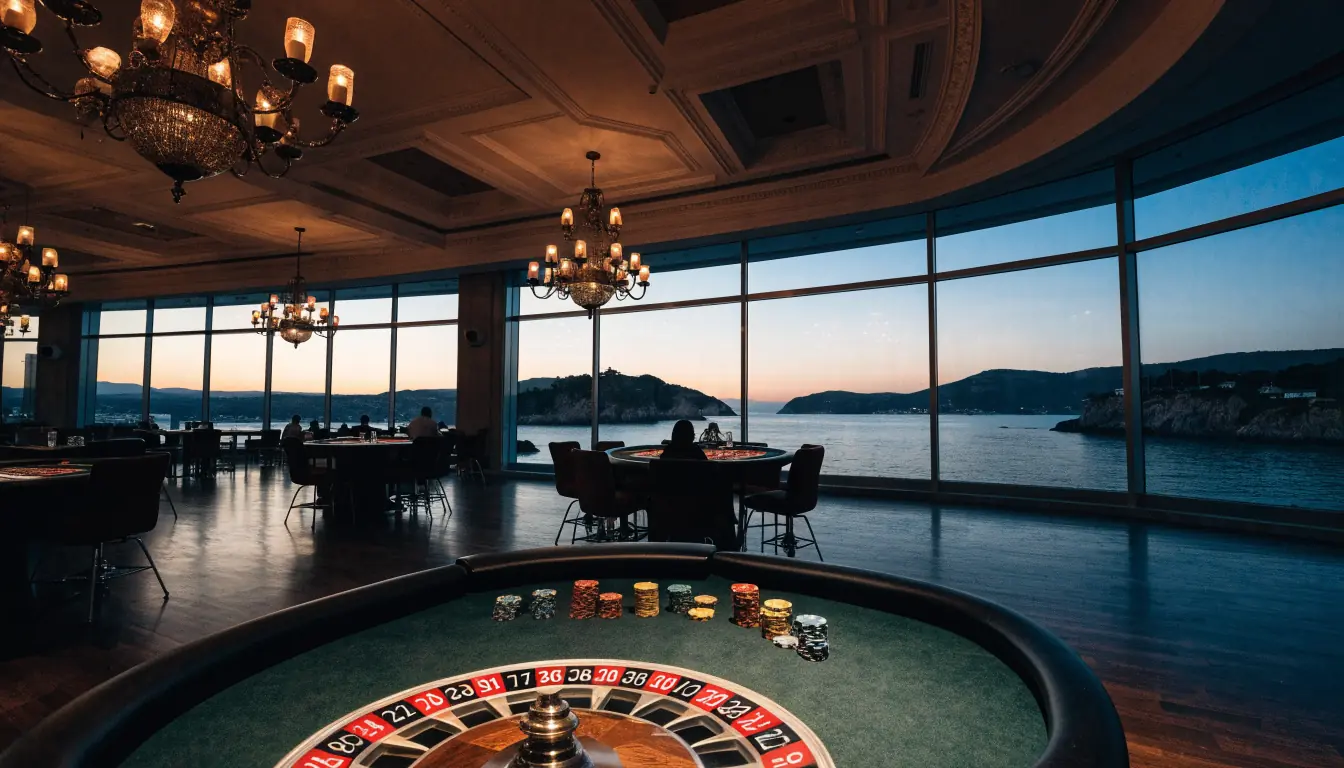
“Casino hotel” sounds like a single, well-defined product: a place to stay, with gambling under the same roof. In practice, the phrase alone says little about the arrangement. It does not establish that a particular Tasmanian casino has rooms, that a hotel is attached to it, or that nearby accommodation is part of a casino offer. Those are separate claims, and each needs a property name and current details behind it.
I have learned to treat hotel language as a starting point, not a specification. A room search is about lodging: which property is being described, what room types it has, and what conditions apply to a booking. A deal is a different matter. The word can mean a bundled rate, a promotion or simply a price shown beside a casino name. Without the terms, it says nothing reliable about what is included or when the offer applies. “Special” is a label. The conditions do the work.
The same distinction matters when a hotel is described as close to a casino. Proximity does not prove a shared operator, a direct connection or a package deal. Nor does the broad phrase “casino hotels in Tasmania” establish how many such properties there are. A useful comparison begins with identifiable venues and their own published information, rather than treating a general description as evidence of a particular facility.
Choosing an online casino while in Tasmania calls for a careful look at the details that matter to you, including licensing and payment information. This list offers a concise reference to help you assess the options.
Uptown Pokies
Uptown Pokies has operated since 2017 and lists a Curacao license. Its minimum deposit is A$20.
JustCasino
JustCasino lists a license from the Curacao Gaming Control Board.
WinSpirit Casino
WinSpirit Casino lists a Curacao eGaming OGL/2024/923/0383 license issued through Antillephone N.V. Its minimum deposit is A$30.
MrPacho
MrPacho lists crypto payouts at 30–120 minutes and fiat payouts at 24–72 hours. Its minimum deposit is A$30.
Kingmaker
Kingmaker lists crypto payouts at around 90 minutes and fiat payouts at 1–5 days. Its minimum deposit is A$30.
DragonSlots Casino
DragonSlots Casino lists a Curacao Gaming Authority license, with Jumpman Gaming Ltd named in connection with it.
Thor Casino
Thor Casino lists a Curacao license from Antillephone N.V., with Versus Odds B.V. named in connection with it. Its minimum deposit is EUR 20.
Wild Tokyo
Wild Tokyo lists a Curacao license and gives payout estimates of 30–60 minutes for crypto and 1–5 days for fiat. Its minimum deposit is A$10.
Neospin
Neospin lists a Curacao Gaming Control Board OGL/2023/176/0095 license, with Hollycorn N.V. named in connection with it.
LuckyVibe
LuckyVibe lists a Curacao Gaming Control Board OGL/2023/176/0095 license, with Hollycorn N.V. named in connection with it.
Hours are another detail that should not be inferred from the hotel label. A hotel’s reception, accommodation services and casino floor need not share operating times. Even where a property combines functions, one schedule cannot safely stand in for all of them. A time printed in an old listing may also describe a past arrangement rather than the present one. The practical point is simple: a name that joins “hotel” and “casino” is not itself an opening-hours notice.
There is also a legal distinction between a physical venue and online casino play. In Australia, the Interactive Gambling Act restricts operators based in the country from providing online casino-style games, including pokies, blackjack and roulette, to people located here. That rule concerns remote gambling services; it does not answer whether a Tasmanian property has accommodation, what its rooms are like, or when a physical venue operates. Mixing the two creates a false shortcut: online availability is not proof of a hotel’s facilities, and hotel wording is not a description of online game access.
I would keep the two questions in separate boxes. For accommodation, the useful evidence is property-specific: an identifiable hotel, its own room information and booking conditions, and a clear explanation of any connection to a casino. For casino operations, the relevant details are those of the venue itself. A bundled label cannot substitute for either. Small distinction. Real consequences.
 Victoria Casinos: Hotels, Dining and PracticalitiesLearn how to distinguish an on-site casino hotel from nearby accommodation, and what to check about dining, parking, poker and other casino…
 Perth casino stays, dining and access: what to checkThis guide separates Perth casino search terms from confirmed booking details, covering stays, dining, parking, events and questions that need checking.
That matters most when a search result compresses several ideas into one phrase. A hotel may be nearby without being part of a casino; a casino may be discussed alongside lodging without operating a hotel; a promotional headline may not describe the full booking terms. None of those possibilities should be converted into a claim about a particular Tasmanian property unless the property and the detail can be identified.
So the phrase “casino hotel” can describe what someone hopes to find, but it cannot settle the practical questions on its own. Room availability, package conditions, the relationship between a hotel and a casino, and separate operating schedules all depend on the named venue and current information. Treating the phrase as a promise is where an innocent shorthand becomes a bad basis for planning.
A poker room and a poker tournament are different claims. A room suggests a regular physical facility, with tables and operating arrangements; a tournament is a scheduled event whose format, entry conditions and timing can change. A casino name on its own establishes neither. I learned to separate the two because promotional language can make a one-off event sound like a standing facility—or make a general gaming floor sound like a dedicated poker room.
Those details need to come from a venue’s own published information or direct confirmation. Without that, an old listing, a copied event notice or an unqualified reference to “poker” is not enough to establish what is operating.
The distinction matters in practical terms. A poker tournament may be held as a single event without indicating that a dedicated room runs regularly. Conversely, a room’s existence would not establish that a tournament is scheduled on a particular date. Formats, registration arrangements and event calendars are operational details, not things that can be inferred from a casino label. Nothing reliable should be filled in by borrowing details from another state or from an unrelated venue.
The same caution applies to the phrase “casino rooms”. In this context it might mean accommodation, or it might be a loose way of referring to rooms or gaming areas inside a venue. It is not evidence of a poker facility. Nor does mention of a sports bar establish that poker is available there, or that a bar and poker room share a location. These are separate venue features, each requiring its own confirmation.
I have seen how a vague listing can take on a life of its own: one page says “poker”, another repeats it, and the repetition starts to look like confirmation. It is not. A usable event notice should identify the venue and date, explain whether registration is required, and state the relevant conditions. A durable room listing should make clear whether the facility is dedicated to poker and whether it is operating. If those basics cannot be checked, a confident description would overstate what is known. Better left unresolved.
 Adelaide Casino: Rooms, Dining and Visitor InformationLearn how to distinguish casino-operated rooms from nearby accommodation, and what to check in hotel offers, dining, parking and visitor information.
 Casino in Melbourne: Hotel, Dining and Visit GuideReview room categories and booking conditions, plus on-site facilities, dining, transport and practical details for planning a casino visit.
Opening hours do not settle the poker question either. A venue being open on a given day would not, by itself, show that a poker room is open or a tournament is running. Those schedules can be distinct. The same applies to general claims that poker is available: they do not establish the form of play, the timetable or the conditions. Each claim needs to be tied to the particular facility or event, rather than inferred from broad venue wording.
There is also a legal distinction that should not be blurred. A physical poker room or tournament is not the same service as online casino poker. Under the Interactive Gambling Act, operators based in Australia cannot provide online casino services to people playing from within Australia. That rule concerns online provision; it does not, by itself, confirm or describe any physical poker facility in Tasmania. Mixing the two creates confusion rather than useful guidance.
For anyone comparing a physical poker offering, the sensible standard is documentary: a current venue statement for the room, and a dated notice for any tournament. Where neither is available, the status should remain open rather than be converted into an implied promise. A search result, a venue category or an old event mention is not a substitute for those specifics. No guesswork.
Parking, bingo and dining are separate parts of a venue visit, even when they appear together in a single search. I have learned not to treat a polished listing as a complete operating guide. A mention of parking does not settle whether spaces are available at the time of arrival, whether valet service operates, or whether a fee applies. Those details belong to the venue’s current conditions, not to an assumption based on the word “casino”.
Valet parking is a distinct service from general car parking; its availability, operating times, and terms require separate confirmation.
For a trip to a casino in Tasmania, parking needs to be considered as a practical arrangement. A listing may use “free parking” as a headline, but the useful questions are more exact: where the parking is, whether it is open to venue visitors, and whether any conditions apply. Valet parking is a distinct service, not another name for a car park. Its availability, operating times and terms need confirmation before travel. A short check close to the visit is more reliable than relying on an old directory entry.
Bingo needs the same separation between a general venue description and a scheduled activity. The word “bingo” alone says nothing about whether sessions are currently held, when they take place, how participation works, or whether booking is required. Those are operational details. If bingo is part of the planned visit, the current venue information should establish the session and its conditions rather than leaving the timing to inference.
Dining is another practical question, but it should not be mistaken for a promise of a particular service. A venue reference to dining does not, by itself, establish what is open, when it serves guests, or whether access is limited by an event or reservation policy. The distinction matters: an advertised feature and a usable option on a particular day are not necessarily the same thing. Details should be checked against the venue’s current information before making plans around a meal.
I have seen how labels can do more work than the facts beneath them. “Convenient” is a claim about experience; it does not explain the route from a parking space to the entrance. “On-site” does not tell whether a service is operating when someone arrives. Small print matters. So does timing.
There is also a clear difference between a physical casino visit and an online casino search. Under the Interactive Gambling Act 2001, an operator based in Australia cannot provide online casino gambling to people located in Australia. That legal position is separate from whether a physical venue offers parking, bingo or dining; one does not establish the other. A phrase such as “online casino in Tasmania” should not be read as confirmation that an Australian-run operator may offer those games to local players.
For anyone comparing options under the phrase “best casino in Tasmania 2026”, the useful comparison is not a guessed feature list. It is whether the practical details match the planned visit: parking arrangements, any valet service, a current bingo schedule and dining access. A venue’s own up-to-date conditions are the appropriate basis for those decisions. Headlines are not operating terms.
An accommodation offer can sound like one product while combining several separate arrangements: a room, access to a venue, and a promotion with its own conditions. I have learned to separate those parts before treating a headline price as a usable deal.
“Near the casino” is also a practical claim, not just a label. It depends on the venue’s confirmed location and the property’s actual position; a broad destination name does not establish walking distance, transport access or travel time. Without those details, comparisons between accommodation options cannot be made responsibly. A map pin and a booking page would need to refer to the same confirmed venue and dates.
Attention A low headline price for accommodation may be misleading if dates, inclusions, and cancellation terms are not explicitly stated.
The same caution applies to promotions. A hotel discount, a casino offer and a package advertised through a third party are not interchangeable. The conditions may determine who can use an offer, when it applies and what is excluded. A promotion’s wording is not evidence that accommodation is included, that a room is available, or that the advertised price covers every part of a stay.
I have seen the word “deal” do a lot of work in marketing. Often, the real question is whether the price and conditions are clear enough to compare with a standard booking. A low headline figure means little if the dates, inclusions and cancellation terms are not stated alongside it. No magic in the label.
The location matters for more than convenience. It anchors the whole comparison: which property is being discussed, how it relates to the venue, and whether transport or parking needs to be considered separately. Those are distinct details, and one cannot be inferred from another. A property described as being in Tasmania is not thereby established as close to a casino.
It is also worth keeping venue accommodation separate from online-casino promotions. Offshore gambling platforms sit in a legal grey area for Australian players: using one is technically not illegal for the player, but those platforms are not regulated under Australian law. That does not make an online promotion a hotel offer, nor does it confirm that a local venue has a room package. The categories should not be blurred.
When a specific booking is presented, the useful evidence is concrete: the property’s own description, the exact dates and inclusions, the location relative to the named venue, and the terms attached to the rate. If any of those pieces cannot be matched, the offer is not ready for a fair comparison. No assumed distance. No borrowed certainty.
That distinction keeps accommodation decisions grounded. A search for a casino stay may lead to venue information, hotel listings or promotional material, but those are not proof of one another. Until a property and its terms are identified together, a claimed Tasmanian casino accommodation deal remains a claim, not a confirmed booking option.
A venue contact is useful only when it reaches the right desk. A general enquiry line may handle directions and routine questions, while event bookings, accessibility requests or gaming-floor enquiries may be passed elsewhere. I have seen the distinction matter: a number on a directory can be current yet still send a caller to the wrong place. The important detail is not simply whether a contact number exists, but whether the venue identifies its purpose and keeps the information current.
Opening hours need the same care. A published schedule may refer to a particular service rather than the whole property. A bar, gaming area, reception desk and event space can each operate on different hours, and holiday arrangements can change them. Before relying on a time, it should be clear which area it applies to and when that information was last updated. Small print matters.
Concert information is another separate track. An event listing should identify the venue, date, doors or start time, ticket arrangements and any age or entry conditions. A listing that names a performer without confirming the location is not enough to plan around. Event calendars can also change, so the venue’s own current announcements are more useful than an old listing copied elsewhere.
A name in a general games list does not confirm that baccarat or craps are offered at a physical Tasmanian venue or available at a specific time.
Questions about a bar are best treated as service questions, not proof of a particular facility. A venue can confirm whether a bar is operating, its hours and any entry conditions. Those details should not be inferred from a photograph, an old review or the word “casino” in a listing. That label does not establish what is open on a particular day.
A map can help with orientation, but its scope should be clear. It may show an entrance or general location without identifying the correct access point for a particular service. Car-park access, parking arrangements and any restrictions are similarly practical details to confirm directly, rather than assume from a map pin. The map is a tool, not a guarantee of access.
For table games, baccarat and craps are distinct enquiries. A name appearing in a general games list does not establish that a game is offered at a physical Tasmanian venue, or that it is available at a particular time. The same distinction applies to online game listings: geo-blocked games do not appear in the lobby when it is accessed from an Australian IP address. A missing lobby listing is not evidence about a venue’s physical gaming floor.
In my experience, the cleanest answer comes from asking a venue to confirm the exact service, date and access point in one exchange. That avoids the familiar loop in which a directory supplies a number, an event page supplies a time, and neither confirms the other. Keep the reply tied to the specific detail being planned around; broad descriptions are easy to misread.
No assumption should substitute for a direct confirmation. Contact details, service hours, event schedules, map directions and game availability are separate pieces of information, and each can change independently. Clear answers save a wasted trip.
Breakfast, buffet service, loyalty benefits and employment are different questions, even when they appear beside the word “casino”. A resort label does not establish what food is served, whether breakfast is included, or whether a rewards programme exists. I treat each as a separate claim, not as a bundle implied by promotional wording.
“Buffet breakfast” is particularly specific: it describes a service format, not simply the availability of food in the morning. A useful confirmation would identify the venue providing it, the days and times it operates, whether it is open to non-guests, and any booking or eligibility conditions. Without those details, the phrase is not enough to plan around. Breakfast may also be listed separately from accommodation or other services, so a broad resort description should not be read as an inclusion.
The same care applies to “rewards”. The label says little about who can join, how points or benefits are earned, which services count, or whether conditions apply to a particular offer. Those are the terms that determine practical value. A headline benefit is not a substitute for the programme rules, and a mention of a loyalty scheme should not be taken as evidence that every venue or service participates.
Online game access is a separate matter from on-site loyalty. A casino or software provider may block games for Australian players when its licensing jurisdiction requires that restriction. A rewards label does not change that possibility or establish that a game is available. The venue’s physical services and an online provider’s access rules should not be conflated.
Legal Restriction
Under the Interactive Gambling Act, operators based in Australia are prohibited from providing online casino-style games to people located within the country.
Employment searches need an equally careful reading. A phrase such as “casino jobs” does not establish that a Tasmanian employer is hiring, what roles are open, or what qualifications and conditions apply. Those details belong to a specific vacancy and its current advertisement. I would distinguish an actual listing from general career language, then check the employer, role description, location, application process and closing status before treating it as an opportunity.
“Casino resort” can also blur the boundaries between a brand description and a confirmed set of facilities. It does not, by itself, settle whether breakfast is offered, whether a buffet operates, whether rewards apply, or whether jobs are available. Each item needs its own supporting detail. Marketing language compresses several services into one impression; operational information separates them again.
For a practical check, the useful questions are narrow: what breakfast service is operating and on what terms; what written rules govern rewards; and which job listings are current, with the relevant employer and role conditions stated. If an answer is only a general description, it does not settle those points.
Separate questions. Separate evidence.
A casino’s status is not established by a headline, an old listing or a page that still appears in search results. “Open” is an operational claim: it means a venue is currently receiving guests, not merely that it once operated, was proposed or remains associated with a familiar name. I treat those as separate states. A reopening claim needs the same care; future intent is not the same as a confirmed return.
The wording around development matters, too. “Planned” can describe an early proposal, while “under development” implies work has progressed. Neither phrase, by itself, establishes that a project has approval, a settled timetable or a final operating arrangement. In the trade, those distinctions are easy to blur in promotional copy. They should not be. A project announcement is not an opening date.
The same standard applies to entertainment and events: an event listing may be out of date, and a programme should not be treated as ongoing merely because an old page remains accessible. Dates matter. So does the identity of the organiser.
A review can also conceal a time problem. It may describe a past visit, assess a proposed project, or discuss a venue under an earlier operating arrangement. The word “review” does not tell the reader which. I would look for a publication date, clear identification of what was reviewed, and details that correspond to the present operation before treating it as a guide to current conditions. Otherwise, it is history presented in the present tense.
Online gambling pages are a separate category, not evidence that a physical casino in Tasmania is operating. Offshore platforms sit outside Australian regulation, even though it is technically not illegal for Australian players to use them. That distinction does not establish anything about a Tasmanian venue, its development or its events. Different subject. Different rules.
For any claim about an opening or reopening, the useful evidence is a current statement from the venue or the relevant project body, with the status and date made explicit. Until then, an announced intention, archived event or undated review should remain exactly what it is: an unconfirmed indication, not a reliable account of present operations. No grand promise. Just a clear distinction between proposal and fact.
A restaurant associated with a casino is a separate operating question from whether a casino venue exists, what it offers, or whether it is open. The label alone does not establish that food is served on site. Nor does it tell us whether a dining room is operated by the venue, leased to another business, or available only under particular conditions.
I treat menu claims as property-specific. A current menu needs to belong to an identified restaurant, and its prices, dishes and service arrangements can change. Without a confirmed venue and current material from its operator, naming a cuisine or describing a meal would turn an assumption into a recommendation. The same applies to claims about bookings, walk-ins, opening times, dietary choices and room service: these are not details that can be inferred from a casino label.
That distinction matters because “restaurant” can mean very different things in venue marketing. It may refer to a full-service dining room, a bar serving food, a counter-service outlet, or a space that is not operating at the time a visitor checks. Promotional language compresses those differences. The practical details are what determine whether a dining option suits a particular visit.
In my experience, the useful check is not whether a venue is described broadly as a destination, but whether the restaurant itself is identified and its operating information is current. A menu image without a date may be old; a third-party listing may remain visible after arrangements change. Neither is enough to establish present service. No shortcut there.
Searches for a casino restaurant in Tasmania can also blur the distinction between a casino in the state and a restaurant located within one. A nearby restaurant is not an on-site casino restaurant, and a dining business in the same town is not necessarily connected to a casino. Location language does not prove an operating relationship.
This is also separate from online gambling. The Interactive Gambling Act 2001 prohibits operators from providing real-money online casino games, including slots and table games, to people in Australia. Sports betting remains widely accessible and legal in Australia, but that does not establish anything about a Tasmanian venue’s restaurants, menus or dining service. Different service, different rules.
For a reliable dining decision, the relevant evidence would be an identified venue’s own current restaurant information, including the name of the outlet and its service arrangements. Until those particulars are confirmed, there is no sound basis for naming a Tasmanian casino restaurant, recommending a menu, or describing what a meal there would involve. A venue’s promotional description is not a menu.
A spa, a street address and a dress code are different kinds of claims, even when they appear together in a resort description. A spa listing should identify the service and its operating arrangements; an address should match the venue’s own current contact details; and a dress code should state where it applies. One does not establish the others.
Requires confirmation of the treatment menu, booking conditions, and access rules.
Should be matched against the venue's own official contact information to avoid false matches.
Needs a stated scope to determine if rules apply to the bar, gaming area, or the whole property.
I have learned to treat “resort” as a sales label, not a facilities list. It can suggest a broader leisure offer without confirming a day spa, treatment menu, booking conditions or access rules. The same applies to references to bars: a general description is not evidence of a particular bar, its hours or its service. Those details need to come from the venue itself, not from a name that sounds familiar or a directory entry copied elsewhere.
Address checks are equally practical. A listing should identify the actual property and provide a location consistent with its official contact information. Similar names, old directory entries and pages about another state can create a false match. I would not use a search result alone to plan a visit; venue-operated information is the better point of comparison.
Dress-code language can also be less precise than it sounds. “Smart casual” may appear in hospitality copy, but without a stated scope it does not tell whether the rule applies to a bar, gaming area, event or the whole property. A current venue policy is what matters, especially where entry conditions may differ by space or occasion.
Gaming information needs a separate distinction. The Interactive Gambling Act 2001 prohibits operators from providing real-money online casino games to people in Australia. A physical venue’s games, if any, should not be inferred from an online game catalogue. Some software providers have restricted Australian access to games; a specialist review has also described some providers doing so in anticipation of possible future legal reform. That is a report about particular provider decisions, not a settled rule for every game or venue. Region restrictions can affect what appears in an online lobby, but they do not establish what is available on a casino floor.
Careers information belongs to another category again. A jobs page, if one is maintained, should be checked for the employer, location and role rather than assumed to relate to a nearby casino or spa. Names travel. Details do not always travel with them.
In practice, the reliable sequence is simple: match the venue identity, confirm the address through its own published contact details, then check each amenity or entry policy directly. A polished label is not a promise. A current policy is.
Food-service and pool facilities are separate questions, even when both are attached to the same idea of a casino visit. A reference to a casino in Tasmania does not, by itself, establish that food is served on site or that a pool is available. I have learned to treat amenity language as a claim to verify, not as a reliable description of what a venue offers.
The phrase “food court” is especially specific. It suggests a particular kind of food area, but it cannot be inferred from a general mention of food or hospitality. Without current venue information, there is no sound basis for saying that a Tasmanian casino has a food court, what it serves, or when it operates. Those details can change, and an old listing may not reflect present arrangements.
The same restraint applies to a pool. A pool may be an important part of a visitor’s plans, but a search result or broad venue label is not confirmation that one exists, that it is open to casino guests, or that access is available under particular conditions. Those points require direct confirmation from the venue.
In practice, I separate “on site” from “nearby” and “available to guests” from “available to the public”. They are not interchangeable. A clear answer should identify the facility and explain who can use it; vague promotional wording leaves the essential point unsettled. No assumption should fill that gap.
Online gambling is a different matter from physical amenities. Australian law prohibits operators from providing real-money online casino games to people located in Australia. The fact that offshore play may be technically possible does not establish that a Tasmanian venue offers food or a pool, nor does it make online casino services lawful for operators to provide here.
For food-service and pool plans, the practical standard is simple: rely on current confirmation from the venue, not an inferred facility list. A name is not proof.
Pokies region blocking uses your IP address to estimate your location and can hide games or prevent them from loading if you are in a restricted country. A casino or game provider may apply these restrictions because of its licensing requirements or policies.
Examples include progressive jackpot pokies, which contribute part of each bet to a growing jackpot, and buy-bonus pokies, which let players pay to enter a bonus round directly.
A VPN can make your digital location appear to be in another country, but that does not guarantee access: a casino or provider may still block the game. Offshore platforms are not regulated under Australian law, and Australian law restricts Australia-based operators from offering online casino games to people in Australia.