A practical look at leisure facilities, events, hotel stays and visit details, with a focus on what is confirmed and what needs checking.
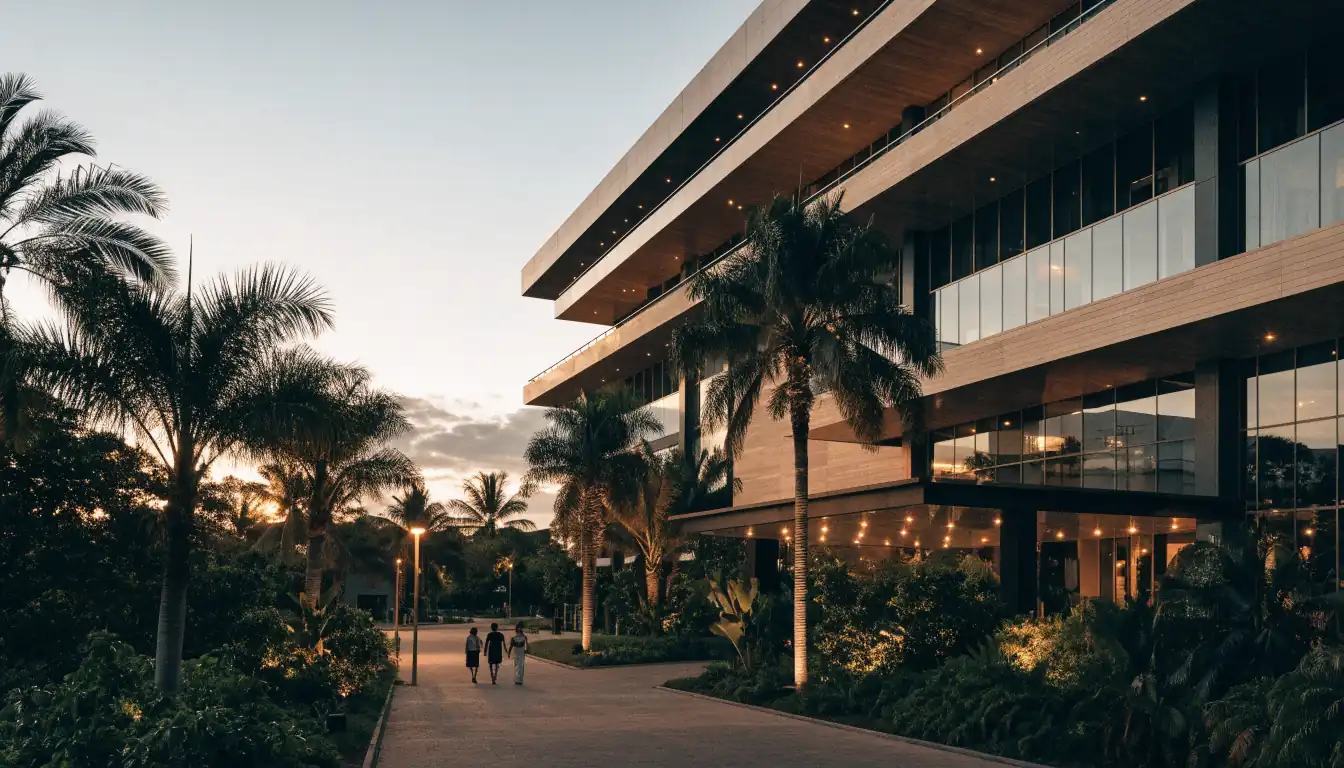
A casino resort can be more than a gaming floor, but the label does not confirm which leisure facilities are operating or what is scheduled. I have learned to separate the idea of a venue from the details that make a visit worthwhile: a gym needs to be available to the relevant guests, an event needs a date and a confirmed programme, and a development needs to be described as completed, underway or proposed. Those distinctions matter more than promotional shorthand.
For Darwin Casino, searches about entertainment and events point to a broader leisure offer, but they are not a reliable calendar. A performance, function or other event can be announced, changed or concluded without the general venue description changing. The practical test is the specific event listing: whether it is current, what kind of programme it describes and whether the venue presents it as public entertainment or a private function. An event headline alone does not establish that walk-in attendance is available.
The same care applies to the gym. A reference to fitness facilities should not be treated as proof that access is included with every visit, or that the facility is open to every category of guest. In the hotel and resort business, access can depend on the service being booked and on the facility’s operating arrangements. Those particulars belong to the facility’s own current information, not to assumptions drawn from the word “resort”. No guesswork.
Choosing a casino for Darwin in 2026 means weighing the details that matter to you, such as licensing information and payment terms. This list offers a concise reference to the available facts for each operator.
Uptown Pokies
Uptown Pokies has operated since 2017 under a Curaçao license. Its minimum deposit is A$20.
JustCasino
JustCasino is licensed by the Curaçao Gaming Control Board.
WinSpirit Casino
WinSpirit Casino lists a Curaçao eGaming license, OGL/2024/923/0383, issued through Antillephone N.V. The minimum deposit is A$30.
MrPacho
MrPacho lists crypto payouts in 30–120 minutes and fiat payouts in 24–72 hours. Its minimum deposit is A$30.
Kingmaker
Kingmaker lists crypto payouts at approximately 90 minutes and fiat payouts in 1–5 days. The minimum deposit is A$30.
DragonSlots Casino
DragonSlots Casino lists a Curaçao Gaming Authority license associated with Jumpman Gaming Ltd.
Thor Casino
Thor Casino lists a Curaçao license from Antillephone N.V., associated with Versus Odds B.V. Its minimum deposit is EUR 20.
Wild Tokyo
Wild Tokyo lists crypto payouts in 30–60 minutes and fiat payouts in 1–5 days. Its minimum deposit is A$10, and it lists a Curaçao license.
Neospin
Neospin lists a Curaçao Gaming Control Board license, OGL/2023/176/0095, associated with Hollycorn N.V.
LuckyVibe
LuckyVibe lists a Curaçao Gaming Control Board license, OGL/2023/176/0095, associated with Hollycorn N.V.
Development is another term that can blur unlike things. It may refer to a proposed project, work in progress, a completed upgrade or a longer-term plan. A headline about development does not, by itself, establish that construction has begun or that a new leisure facility is available. I read those claims by their status and date: what has been approved, what is being built and what has actually opened are separate points. Until a change is operating, it should not be presented as part of the current visitor offer.
Employment searches also sit naturally beside development news. New or changing operations can affect staffing needs, but a general reference to the casino as an employer is not a live vacancy notice. Job titles, requirements and application arrangements belong to individual listings. For someone assessing the venue’s wider role in Darwin, employment and development are useful subjects, but they should be treated as separate from the question of what entertainment is currently available.
There is a local dimension to this kind of leisure property. Events can bring people together for occasions beyond gaming, while a developed venue can contribute to the city’s visitor economy and employment landscape. That is a description of the role such a property may play, not a claim about the size or impact of any particular project. The distinction is important: broad economic language can sound like evidence while saying little about what has actually changed.
 Hobart Casino Searches: What the Information ConfirmsSeparate poker-room, tournament and accommodation searches, and see which venue details still need confirmation before planning a visit.
 Best Pokies in Sydney: Location and Venue ChecksLearn why map distance does not confirm pokies, availability or opening status, and which venue details need checking separately before a visit.
Questions about whether the casino is open, has reopened or is open today need a current operational answer. A historic announcement of reopening would not establish today’s status; nor would a standing venue page prove that every facility or event is operating. The venue’s own live notices are the appropriate place to confirm an immediate change, while dated announcements are better for understanding past openings and development milestones. A reliable check separates the status of the property from the status of an individual activity.
For a leisure visit, the useful picture is therefore made up of distinct pieces: confirmed facilities, dated event information, clearly labelled development updates and current operational notices. I would not treat one as evidence for another. A venue can have an event programme without every advertised facility being available, and a development announcement does not mean its promised features are ready. Clear status, not a broad “entertainment” label, is what makes the offer legible.
A casino visit and a hotel stay are separate parts of a property, even when they share a name or address. I learned not to treat “casino hotel” as proof that rooms are available on site. The phrase can describe a hotel operated by the casino, a separately managed hotel within the same complex, or simply a hotel close enough to be marketed alongside the venue. Those arrangements affect who handles bookings, changes and complaints.
For a stay at Darwin Casino, the first distinction to establish is whether the room is actually part of the venue or belongs to another nearby hotel. A booking page should identify the accommodation provider and give the property name, rather than relying on a casino image or a broad location label. If the operator is unclear, the relationship should be confirmed before payment. A shared brand can make separate businesses look like one.
Room descriptions are useful only when they explain what is included and what is not. The important details are the room category, occupancy, included services, cancellation conditions and any charges payable at the property. A low headline rate can reflect a narrower cancellation window or exclusions rather than a better overall offer. I have seen “deal” used as a persuasive label for a bundle whose value depends entirely on whether the guest wants every part of it. Read the conditions, not the badge.
The same discipline applies to offers attached to a casino hotel in Darwin. Compare the full booking terms with a standard room rate for the same dates and room type. Check whether the offer is restricted to particular nights, whether it requires advance payment, and whether changing plans forfeits the rate. These are questions to settle before committing, not details to discover at check-in. If terms are vague, the headline price is not enough to judge the deal.
There is also a practical difference between staying inside a resort-style property and booking a hotel near the casino. An on-site room may reduce the need to arrange separate transport between the room and the venue, while a nearby hotel may be a separate booking with its own policies and service arrangements. Neither option is automatically better. The useful comparison is between the actual room terms, location and booking responsibility, not the shared use of “casino” in a description.
Searches about Darwin casino hotels can also blur the question of ownership. The name of a venue does not by itself establish who owns the hotel, who operates it, or whether the casino and accommodation are controlled by the same business. I would not infer ownership from a booking listing. The relevant company should be identified in the booking terms or the operator’s formal information; if that distinction matters to a reservation, it should be checked directly.
For anyone choosing between a room on the property and hotels in the surrounding area, the booking record is the point of certainty. It should state the accommodation provider, the room booked, the payment conditions and the route for changes or disputes. A casino-branded offer can make the stay sound seamless. The contract decides who is responsible.
That is the part often hidden by the word “package”: convenience may be real, but it does not erase separate businesses or conditions. I treat the room as a hotel booking first and a casino add-on only when the terms clearly say what is included. No assumptions.
Darwin Casino’s opening hours, gaming hours and show schedule are separate details, not one promise that every part of the venue operates at the same time. I learned to treat them as different checks: a casino floor may have its own trading schedule, while a performance has a fixed start time and entry conditions. A listing that says the venue is open does not, by itself, confirm that a particular game or show is available.
Opening hours for the casino floor, gaming areas, and scheduled performances may differ; each should be verified separately.
For a visit planned around a show, the useful detail is the event’s current listing: date, start time, venue area and any entry requirements. Show schedules can change, and an old event page is not evidence of a current performance. The same caution applies to broad claims about “entertainment” — that word can refer to different things, and does not confirm a live show on a particular night.
“Poker” can mean a card game or, in casual searches, the Electronic Gaming Machines (EGMs) often called pokies in Australia. They are not interchangeable. A listing for poker does not establish that a poker table is operating, and the presence of EGMs does not establish a live card-game schedule. I would look for the specific game or activity in the venue’s current information rather than infer it from a general gaming description.
Pokies are gambling, not a way to make income. A session budget should be set from money available for entertainment, and losses should not be chased by raising stakes. In-person venues must check identification before allowing poker machine gambling; complying with the venue’s checks matters, and bypassing them can carry legal consequences.
Online casino games are a different matter. The Interactive Gambling Act 2001 prohibits operators from providing real-money online casino games, including poker and slots, to people in Australia. A search for poker machines at a Darwin venue should not be confused with an offer to play online.
Opening and trading hours can be affected by the specific area or service being visited. I would confirm the relevant hours through the venue’s current official information before setting an itinerary, particularly when the visit depends on late-night access or a scheduled performance. A general map listing can be useful for orientation, but it may not answer whether a particular activity is available at the intended time.
The practical distinction is simple: confirm the venue’s operating hours, then separately check the hours for the gaming area and the details for any show. If information conflicts, the current venue notice is the sensible point to verify against. No assumed schedule is a substitute for that check.
People looking for casino jobs may be considering very different roles, from guest-facing work to operational positions. A job title alone does not show the duties, roster, required experience or employment conditions; those belong in the individual vacancy description. I would use the operator’s own careers information for current openings and treat third-party listings as leads to verify, not proof that a role remains available.
For applicants, the same distinction applies as for visitors: general information about the venue cannot confirm a particular shift, show or vacancy. Check the specific listing, including its status and requirements, before making plans around it.
A visit to the Darwin casino and an online casino search point to different services, even when the wording overlaps. Parking, bingo and dining are questions about an in-person venue. Online casino games are governed by a separate legal framework, and the existence of a physical casino does not make its games available online.
Online Gambling
Under the Interactive Gambling Act 2001, it is illegal for Australian-run online casinos to provide real-money casino games to people in Australia.
Searches about parking often bundle several assumptions together: that parking is available, that it is free, or that valet service is offered. Those are separate conditions, not interchangeable descriptions. I would treat each as something to confirm with the venue before setting out; a search phrase alone is not evidence of a current parking arrangement. The same goes for bingo. A request for bingo at the casino does not establish that a session is scheduled or that it operates as a regular part of the venue.
This distinction matters because practical details can change, while a search result can remain visible after the information it reflects has changed. For a planned visit, the useful question is not simply whether the casino has parking or bingo, but whether the particular service is available at the intended time and on the terms expected. No assumption should be made about complimentary parking or valet service without current confirmation.
Dining searches concern the on-site experience, but they do not, by themselves, identify a particular restaurant, menu or service. I separate that broad question from the more specific task of choosing a dining venue: first establish what is open and available, then check the details relevant to the visit. A casino’s gaming identity is not a guarantee that every dining option operates at all times.
The same caution applies when “casino dining” is used as shorthand for a whole evening. It may refer to a meal at the property, not a package or a special offer. Treating the phrase as a promise can create expectations the wording does not support. Current venue information is the appropriate basis for practical plans.
The legal position is materially different online. Under the Interactive Gambling Act 2001, it is illegal for an Australian-run online casino to provide real-money casino games to people in Australia. The restriction covers games such as pokies, blackjack and roulette when offered by operators based in the country. A Darwin venue’s physical presence does not change that rule or establish an official online casino service.
Offshore platforms sit in a different position: Australian players are not generally criminalised simply for using them, but those services are not regulated under Australian law. That gap matters. A platform being accessible online is not the same as being an Australian-regulated service, and the local framework does not provide the protections associated with a domestic licence for online casino games.
I keep those categories separate. An in-person casino visit is a venue decision; an online casino is a question of prohibited services, offshore operators and limited local oversight. Similar wording, different rules.
For a visit to Mindil Beach’s casino, the practical details worth confirming are the venue’s current street address, the right entrance and the contact channel for the specific enquiry. A map pin can show the property without making clear which driveway or door suits a particular visit. I treat the address and the entrance as separate checks.
Before setting out, compare the address shown on the venue’s own current information with the destination displayed in the map app. Check the route’s final approach as well as the pin: large properties can have several access points, and a navigation result does not necessarily identify the most suitable one. If the route ends at an unfamiliar entrance, confirm it with the venue rather than assuming every access point serves the same purpose.
Confirming Arrival
Verify Address
Compare the address on the venue's current information with the map app destination.
Check Route
Review the final approach to identify the most suitable entrance for your visit.
Confirm Parking
Ask the venue to verify which car park is open and which entrance to use.
Car park searches need the same care. A result labelled “car park” may identify an area on the property without explaining access, availability or any conditions that apply at the time. Those details can change, so avoid relying on an old map note or an undated listing. When parking access is central to the plan, ask the venue to confirm which entrance to use and whether the relevant car park is open for the intended visit.
That is the useful distinction: a map helps with direction; the venue confirms the operational detail.
For a Darwin casino contact number, use the venue’s current official contact information rather than a number copied from an old directory or an unrelated listing. If a call is not answered, an official contact form or email channel may be the better route. Keep the message specific and include the date of the visit where it matters; an enquiry about a bar or concert may need to go to a different team from a general address question.
I would ask a direct question rather than infer an answer from a general page. For example, confirm whether a particular bar will be open, whether a concert is scheduled, or whether an event has its own entry arrangements. Event information can change, and a venue-wide map does not confirm the details of a particular performance.
Searches about baccarat or craps are best treated as requests to confirm current availability, not as proof that a particular table or game is operating. Ask the venue through its official channel whether the game is offered and whether any visit-specific conditions apply. A listing elsewhere may be outdated, and general casino information cannot settle what is available on a particular date.
The same principle applies to every practical detail in a venue enquiry: ask the team responsible, and keep the reply with the visit plan. Specific answers beat assumptions.
Breakfast searches often combine three separate questions: whether breakfast is served at the property, whether it is offered as a buffet, and whether it is included with a stay or sold separately. Those details should not be treated as interchangeable. A buffet may be available only at particular times or under particular booking conditions; a breakfast package may have its own terms. Without current confirmation from the venue, neither should be assumed.
The same caution applies to searches for a seafood buffet. The phrase signals a specific expectation, but it does not establish that a seafood buffet is currently operating, what it includes, or whether it is part of breakfast. I have seen how a familiar label can outlast the offer it once described. The name is not confirmation.
For a Darwin casino resort stay, breakfast is best considered as one component of the accommodation arrangement, not as an automatic feature of every booking. Package wording matters: an included meal, a discounted add-on and a separately purchased breakfast are different propositions. The practical detail is the condition attached to the offer, rather than the word “resort”. That word describes a positioning; it does not, by itself, promise a particular meal or benefit.
Attention A "resort" label is a positioning term and does not automatically guarantee that breakfast or other benefits are included in every booking.
Rewards searches raise a similar distinction. A resort rewards programme, if available, may have its own eligibility and redemption rules. The label alone does not establish that a breakfast is included, that points can be used for a meal, or that a particular booking qualifies. I would treat any claimed benefit as something to verify in the terms for that offer, not as a standard part of a casino stay.
The useful check is therefore specific: confirm whether breakfast is being served on the intended date, whether it is buffet-style, what the booking includes, and whether any rewards benefit applies to that reservation. Those are current operating details, not permanent features that can safely be inferred from an old description. Opening times can change too; they belong with the venue’s current information rather than an assumed schedule.
The separate search for online pokies needs a clear distinction. Darwin’s physical casino and online casino services are not the same thing. Under the Interactive Gambling Act 2001, it is illegal for operators to provide real-money online casino games, including pokies, to people in Australia. Offshore sites are not regulated under Australian law, and their offers should not be presented as a lawful local extension of a resort rewards scheme.
A VPN does not change that legal position. Using one to reach region-blocked pokies is against the site’s terms of service and may result in account suspension. Offshore operators also offer limited dispute resolution, and winnings may not be protected if an operator becomes insolvent. A tempting promotion is not a meal benefit. It is a separate, higher-risk arrangement.
A spa, a bar and a gaming floor are different propositions, even when a resort groups them under one brand. I learned to read amenity labels literally: “day spa” should mean a service available without an overnight stay, while “spa” alone can refer to a treatment offering, a facility or simply promotional wording. The distinction matters when planning time around a visit. For Darwin Casino, current details about spa services, access and bookings should be confirmed with the venue rather than inferred from the name or an old listing.
The same caution applies to bars. A venue may have bar service without every bar operating at all times or serving the same purpose. Before making a plan around a particular setting, check what is open and whether it is accessible to the public. Bar details can change with operations; an old directory entry is not a reliable promise. Practical fact, not flourish.
Dress codes are also easy to misread. “Smart casual” is not a universal standard, and a requirement can vary between the gaming floor, a bar and a special event. I would treat the venue’s current entry conditions as decisive, not a third-party description or a photograph. Neat clothing is a sensible default, but it should not be presented as a formal rule unless the venue states it.
Careers searches need a different kind of checking. Hospitality, gaming, security and corporate roles can sit under separate recruitment processes, and a search result may remain visible after a vacancy closes. A role description, employer identity and application route should be read together before personal information is submitted. The job title alone does not establish who is hiring. In this industry, the small print carries the real terms.
Responsible Gaming
Gambling is for entertainment, not a way to cover living expenses; always set a session budget from available funds and avoid chasing losses.
“Games” can mean several things at a casino: table games, Electronic Gaming Machines (EGMs), or other entertainment. The label does not confirm what is currently available, and gaming access is subject to venue rules and identification checks. For poker machine gambling, venues must check identification; legal age requirements apply, and ignoring them can have legal consequences. Gambling is not a way to cover rent or groceries. That hope is an illusion. A session budget should be set from available bankroll, and losses should not be chased by raising bets.
For any visit, the reliable approach is to confirm the specific service, entry condition or vacancy with the venue before relying on it. A polished listing may describe an offer; only current operating information tells what is actually available.
Restaurant searches around a casino can imply a settled line-up, but venue names, menus and service arrangements can change. I treat a restaurant listing as a starting point, not proof that a particular venue is open or serving the advertised menu on the day. The distinction matters: a dining room, a bar with food and a nearby independent restaurant are different options, even when search results group them together.
For Darwin Casino, the useful comparison is practical rather than promotional. A current menu indicates the style of meal and whether the venue suits a quick stop or a longer dinner. Opening information should be checked against the intended visit, especially where service times differ by day. Booking details, dress expectations and any special-event conditions can also affect the plan. A polished description is not a substitute for those particulars.
I have seen “signature dining” used as if it explained the experience. It does not. The words say little about the menu, price, atmosphere or whether reservations are needed. Those details are what make a restaurant suitable for a particular occasion. If a listing provides none of them, it offers too little to compare with confidence.
The rooftop-bar searches need separate treatment. A rooftop bar is not automatically a restaurant, and a bar listing does not establish that it serves a full meal. The venue’s own current information is the sensible place to confirm whether such a space exists, what food is available and whether access is affected by an event or booking condition. Assumptions based on a photograph or an old directory entry can lead to the wrong plan.
There is also a boundary between restaurants at the casino and restaurants near it. A nearby result may be independently operated and have different hours, booking rules and menus. Checking the address and operator before making a reservation avoids confusing the property’s own dining options with businesses elsewhere in Darwin.
For a meal that is part of a casino visit, the strongest information is specific: a current menu, service times, reservation instructions and clear venue details. If those are not available together, confirmation directly through the venue is more reliable than relying on a copied listing. I would not infer a restaurant’s current status from an old review or assume that a rooftop setting guarantees dining service. Small checks. Fewer surprises.
Finding accommodation near Darwin Casino is less about choosing a room with the word “nearby” in its description and more about checking the route that would actually be used. A property can look close on a map while requiring a longer walk or drive than expected. I compare the address with the casino’s location, then check the route and transport options separately. Straight-line distance is a poor substitute for the journey.
Nearby stays are a separate choice from rooms at the casino itself. They may suit visitors who want to compare different properties, keep the casino visit to one part of a wider Darwin trip, or avoid making the venue the centre of the stay. The useful comparison is practical: location, cancellation terms, what the quoted rate includes, and whether arrival and departure arrangements fit the trip. A low headline rate can lose its appeal when conditions are added.
“Accommodation deal” is often a label for a particular set of dates or booking terms, not a guarantee that the whole stay costs less. I read the conditions before comparing prices: whether the offer is tied to a fixed stay, what happens if plans change, and whether taxes or other charges are included in the displayed total. A promotion can be worthwhile, but the word itself says little about value.
Searches for Darwin Casino accommodation promotions can also mix up a nearby hotel offer with a package connected to the venue. Those are not necessarily the same thing. The booking terms should identify the provider and spell out what is included; an attractive image or casino reference is not enough to establish that a benefit comes with the room.
The venue’s entry conditions are a separate matter from a hotel’s booking rules. I would check the casino’s current information directly before making plans, particularly where identification or access requirements could affect the visit. The same applies to questions about gaming machines: accommodation listings are not a reliable source for venue rules or what is available on site.
For a stay centred on the casino, the best comparison is not simply “closest” against “cheapest”. It is the complete route, the full booking conditions, and how well the property fits the rest of the visit. That keeps the decision grounded in the stay itself rather than in a promotion’s wording.
Food searches around a casino often blur three different things: a meal served on site, a quick-service counter and a food court with several independent choices. The labels are not interchangeable. “Food court” suggests a particular format, but the words alone do not establish which outlets operate, what they serve or when they are open. I learned to separate the name attached to a venue from the service actually available; promotional language can make a collection of food options sound more coordinated than it is.
For Darwin Casino, the useful distinction is between a general food offering and a specifically identified food-court arrangement. Current outlet names, menus and service times are the details that make the difference to a meal plan. They can change, so older listings and undated photographs are weak evidence of what is operating now. A clear, recent venue listing is more useful than a broad description. Small distinction. Practical consequence.
The pool is a separate question, not an extension of the food offer. A property may have leisure facilities, but access arrangements, operating times and any conditions are matters that need confirmation before they shape a visit. A pool image or a mention in a general resort description does not answer whether the facility is open to the intended visitor or available on the relevant date. That is the point where a specific venue enquiry is worth more than a polished overview.
Room searches also appear alongside food and pool searches because people often compare the whole property in one sitting. I keep those decisions separate: a room listing concerns accommodation, while food service and pool access concern what can be used during the visit. The word “resort” can make all three seem bundled; it does not, by itself, define what a room rate includes or which facilities are accessible.
For a useful picture of Darwin Casino, each detail should be checked on its own: food outlets and their current service, whether a food-court format is operating, pool access and conditions, and the room information attached to a particular stay. That avoids treating a broad property description as a promise that every amenity is available together. Practical, not glamorous.
Availability can be restricted by a casino or software provider based on your location. NetEnt’s Mega Fortune and Hall of Gods, along with NYX Gaming/Next Gen titles such as Foxin’ Wins and Doctor Love, were among games blocked from Australian players; blocked games may not appear in the lobby or may fail to load.
The Interactive Gambling Act prohibits Australian-run online casinos from offering online casino games to people in Australia. Australian players are not technically prohibited from using offshore casinos, but those platforms are not regulated under Australian law; in NSW, the legal age for poker machines is 18 and mandatory pre-commitment requires players to set a loss limit.
Region blocking restricts access to games based on a player’s geographic location, commonly identified through their IP address. A casino or software provider can block access from excluded countries, so games may be missing from the lobby or fail to load.