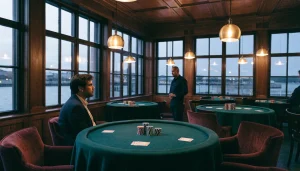
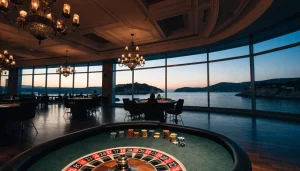
A practical guide to accommodation claims, booking conditions and the dining, gaming and access questions raised by Adelaide Casino searches.
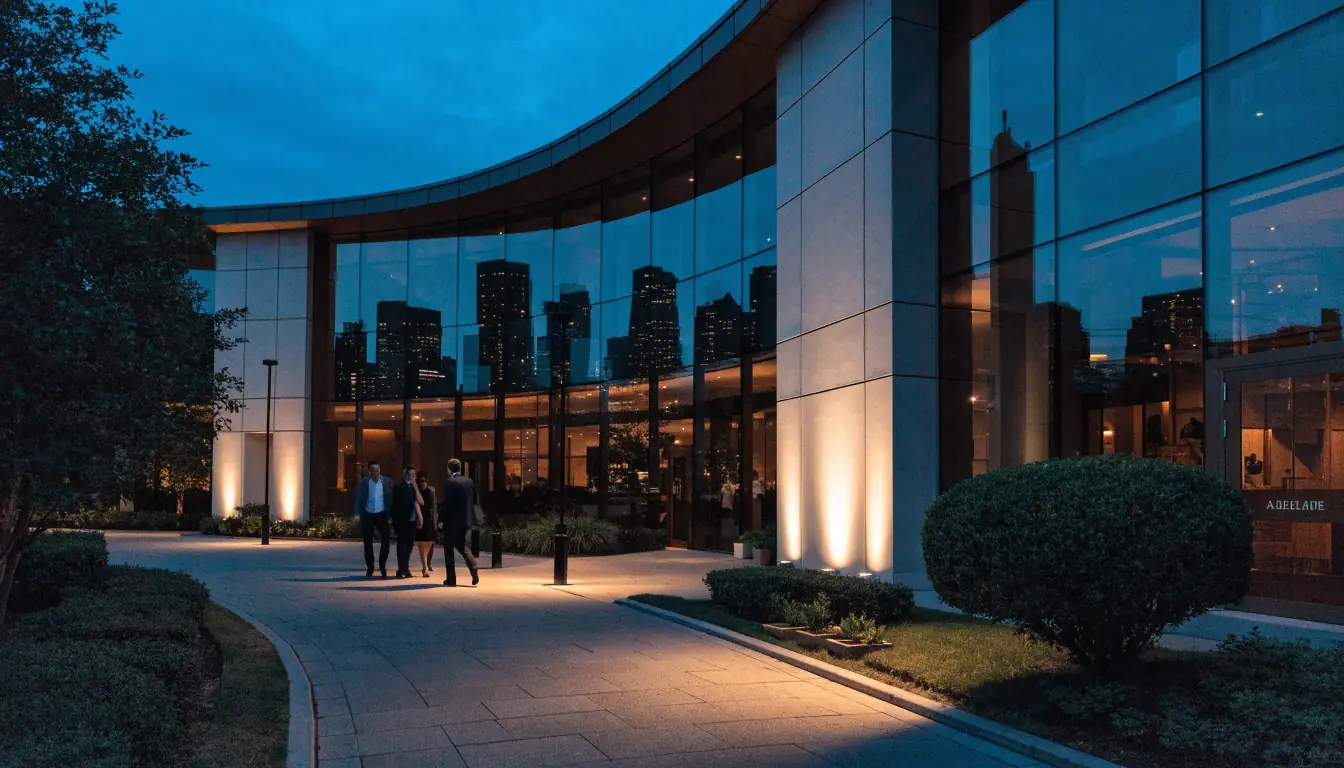
A hotel described as being “at” a casino may mean a hotel operated by the venue, a property connected to it, or simply a hotel nearby. Those are different arrangements, and the wording in a booking headline does not settle which one applies. For an Adelaide casino stay, the key distinction is whether the room is genuinely part of the casino operation or is an independent accommodation booking.
I would not treat the phrase “casino hotel” as confirmation that rooms are available on site. A room listing needs to identify the property, its location and who takes responsibility for the booking. If those details are unclear, the practical assumption is that the accommodation and casino are separate services until the booking terms establish otherwise. A shared name or promotional image is not enough.
The same caution applies to hotel deals. “Special offer” is a label, not a description of value. The useful details are the conditions attached to the rate: which dates it covers, whether it can be cancelled or changed, what is included, and whether any charge is due at booking or on arrival. Those terms should be visible before payment. If a deal is tied to a casino visit, its conditions should also make clear whether the room booking depends on a separate activity or reservation.
Choosing a casino for Adelaide in 2026 means checking the details that matter to your play, such as licensing, deposit requirements, and payout options. Use these profiles as a starting point when deciding which operators to explore.
Uptown Pokies
Uptown Pokies has operated since 2017 under a Curacao license. Its minimum deposit is A$20.
JustCasino
JustCasino is licensed by the Curacao Gaming Control Board. This licensing detail is the key known point for assessing the operator.
WinSpirit Casino
WinSpirit Casino holds a Curacao eGaming license, OGL/2024/923/0383, issued through Antillephone N.V. Its minimum deposit is A$30.
MrPacho
MrPacho lists crypto payouts at 30–120 minutes and fiat payouts at 24–72 hours. The minimum deposit is A$30.
Kingmaker
Kingmaker lists crypto payouts at about 90 minutes and fiat payouts at 1–5 days. Its minimum deposit is A$30.
DragonSlots Casino
DragonSlots Casino is licensed by the Curacao Gaming Authority, with Jumpman Gaming Ltd identified as the operator. The licensing information is the main known detail for this profile.
Thor Casino
Thor Casino is licensed in Curacao through Antillephone N.V., with Versus Odds B.V. identified. Its minimum deposit is EUR 20.
Wild Tokyo
Wild Tokyo lists crypto payouts at 30–60 minutes and fiat payouts at 1–5 days. Its minimum deposit is A$10.
Neospin
Neospin holds a Curacao Gaming Control Board license, OGL/2023/176/0095, associated with Hollycorn N.V. This licensing detail is the key known point for assessing the operator.
LuckyVibe
LuckyVibe holds a Curacao Gaming Control Board license, OGL/2023/176/0095, associated with Hollycorn N.V. The available profile information identifies its licensing.
Room descriptions are worth reading as carefully as prices. A category name alone does not explain the room’s layout, view, bedding or accessibility features. The booking page should state what is included and identify any differences between room types. Photographs can help with general context, but they should not substitute for the written description. If a feature matters to the stay, it belongs in the booking confirmation, not merely in promotional copy.
There is also a difference between a casino’s opening hours and a hotel’s check-in arrangements. Casino hours describe access to gaming or other venue areas; they do not establish when a guest can enter a room, leave luggage or request assistance. Likewise, a hotel may have its own reception and arrival procedures. The two schedules should be checked separately, especially for an arrival outside ordinary daytime hours. I would rely on current information from the relevant venue or booking provider rather than infer hours from an old listing.
A reservation confirmation is the document that resolves most ambiguity. It should state the accommodation provider, the dates, the room category, the amount payable and the cancellation conditions. It should also show where to direct questions about changes. If the casino and hotel are separate businesses, a casino enquiry may not alter a hotel reservation, and a hotel booking desk may not be able to confirm casino access or operating times.
For anyone comparing a casino-associated stay with a different accommodation booking, the comparison should be like for like: room inclusions, flexibility, location and the total price shown at checkout. A lower headline rate can come with stricter conditions; a bundled offer can appear generous while leaving important details unstated. I have seen that distinction matter more than the wording on the front of an offer.
So the sensible reading of “Adelaide casino hotel” is a question to resolve, not proof of an on-site room or a particular deal. Confirm the property identity, room terms and current arrival arrangements before treating accommodation and casino access as one package. Clear terms first.
Poker, a poker room and a gaming room are not interchangeable labels. Poker describes a particular game; a poker room suggests a designated area for it; “gaming room” can refer more broadly to a play area. In venue listings, the wording alone does not establish which games are available, whether play is cash-based or tournament-based, or whether a particular room is operating on a given day. I learned to separate the label from the actual offer. It is a small distinction with practical consequences.
For anyone weighing up poker at Adelaide Casino, the useful details are operational: whether poker is being dealt, what format is running, how entry works, and whether a seat is available. Those details can change independently. A poker tournament, for instance, is not the same as an ongoing cash game. A tournament has an organised structure and a defined starting point; a cash game involves players joining a game in progress, subject to seats and the venue’s arrangements. Neither format should be assumed from the word “poker” alone.
Tournament information needs a date attached to it. A past event listing does not establish that the same tournament runs today, and a regular schedule can still be affected by changes to staffing, demand or venue operations. The practical check is the current listing published by the venue, with attention to the event date, registration conditions and any stated start time. If an event is not listed for the relevant day, an old result or promotional mention cannot fill that gap. Dates matter more than headlines.
Room terminology can also mislead. “Casino rooms” may refer to accommodation in one context and gaming areas in another. A room name, floor plan or photograph is not enough to establish that poker is offered there. I have seen wording do more work than the service behind it: “dedicated” sounds definite, but the useful question is what activity is actually available, and when. Keep the distinction clear.
The same care applies to opening status. “Open today” and “open now” are time-sensitive descriptions, not stable features of a venue. Trading hours can differ by area, and access to a particular gaming space may not follow the same timetable as the wider property. A general venue opening indicator does not, by itself, confirm that poker or a tournament is running. Current status should be checked close to the intended visit; a dated schedule is more useful than a broad claim of availability.
A sports bar is a separate amenity from a poker room, even when both are discussed as parts of a casino visit. The name does not confirm a particular screen, sports broadcast or opening time. Those are specific operating details, not automatic consequences of the label. Keeping the categories separate prevents a sports-bar listing from being mistaken for information about poker, and avoids treating a gaming-room description as proof of a tournament schedule.
My rule from working around venue information is simple: match each claim to the exact activity and date it describes. A room label answers where, at best; it does not answer what is running, whether entry is open or how long the arrangement lasts. Poker, tournaments, general gaming areas and sports-bar facilities each need their own current confirmation. No assumptions from a name.
A casino’s development is more than a building project. It can involve changes to the venue’s layout, services, staffing and operating model, each with different implications for visitors and employees. For Adelaide Casino, those details need to be tied to dated announcements or official records before they can be treated as established. A proposal, a construction update and a completed change are not interchangeable. The wording matters.
I have seen how broad development language can make an early-stage plan sound settled. “Transformation” may describe an intention rather than a finished project; “investment” does not, by itself, explain what has changed on the floor. A useful account identifies the specific work, its status and the organisation responsible for confirming it. Without those particulars, a development claim says little about what the venue currently offers.
Event information is time-sensitive. A listing can describe a scheduled performance, a private function or a broader entertainment programme, and those categories should not be blurred. The date, venue and booking status are the practical details that turn a general announcement into something a visitor can rely on. An old listing is not evidence of a current programme.
The same care applies to claims about entertainment. A casino may be discussed as a destination for more than gaming, but promotional language does not establish which performances or events are available at a particular time. I would treat a named event as confirmed only when its organiser or venue has published current details. Otherwise, the distinction between “planned” and “on” gets lost. That is where confusion starts.
For event searches, the useful questions are operational: Is the event actually scheduled? Is it open to the public? Has the venue published any conditions for attendance? These are not small print. They determine whether a listing is actionable or simply a record of an announcement. Details can change, so a dated official notice carries more weight than a copied calendar entry.
“Open” can refer to normal trading, a particular area inside a venue, or access during a special event. “Reopening” is narrower: it implies that something previously closed has resumed operation. Neither word should be inferred from a general venue description. A reopening claim needs a clear reference to what reopened and when; otherwise, it risks overstating a limited change as a return to full operations.
This distinction is especially important when older material continues to circulate. A past closure notice may remain visible after circumstances change, while an undated page may give no reliable indication of the present position. I would look for a current, dated announcement from the venue or the relevant authority before treating an opening update as settled. No guesswork.
Employment belongs to the same wider picture, but staffing announcements are not a substitute for a live vacancy notice. Development can affect roles and operations, yet that general relationship does not establish that Adelaide Casino is recruiting or identify available positions. A specific employment claim needs a current listing with the role and application details. Otherwise, it is only an assumption built around the venue.
The sensible way to assess Adelaide Casino’s development and entertainment is to separate confirmed changes from plans, current event listings from old publicity, and operating updates from general descriptions. That approach avoids turning an appealing headline into a promise about what is happening now.
Parking and bingo are practical venue questions, but neither should be answered by assumption. A search for parking at an Adelaide casino does not establish whether spaces are available, whether charges apply, or what access arrangements operate on a particular day. Those details can change. Confirm current arrangements through the venue’s official information before setting out, rather than relying on an old listing or an unverified claim.
The same distinction applies to bingo. A venue-related bingo search is not evidence that bingo is offered there, or that sessions are currently scheduled. I keep the question separate from casino gaming: bingo has its own format and arrangements, and a result about another venue does not answer it for Adelaide. The useful check is whether the venue itself currently describes a bingo service, including any conditions for entry.
Dining is another nearby search intent, but it does not settle either of those matters. A person looking for lunch or casino dining in Adelaide needs current venue details; that is different from establishing parking access or a bingo schedule. I would not infer one amenity from another.
Legal Restriction
Under the Interactive Gambling Act 2001, operators based in Australia cannot provide real-money online casino services to people in Australia.
“Online casino” can mean two very different things: information about a physical venue, or an attempt to play casino-style games over the internet. The legal position applies to the second meaning. Under the Interactive Gambling Act 2001, an operator based in Australia cannot provide real-money online casino services to people in Australia. That restriction covers games such as pokies, blackjack and roulette.
An Adelaide casino’s physical presence does not create an online version that may lawfully serve local players. Nor does a web page mentioning the venue prove that it offers remote gambling. Venue information and online gambling are separate matters.
Offshore platforms sit in a different, but not reassuring, position. Australian players are not generally committing an offence simply by using an offshore site, but those platforms are not regulated under Australian law. That leaves limited local protection if a dispute arises; winnings may also be at risk if an operator fails. “Available” is not the same as accountable. Important distinction.
A platform may also restrict access by location. Using a VPN to get around a region block can breach the platform’s terms and may lead to an account being suspended. A changed digital location does not turn an offshore gambling service into an Australian-regulated one.
For a search about the best casino in Adelaide in 2026, the practical dividing line is straightforward: parking, bingo and dining concern a physical visit and need current venue-specific confirmation. Online casino play concerns a separate legal regime. Treating the two as interchangeable can lead to an answer that sounds convenient but says nothing reliable about either.
“Near” is a useful starting point, not a complete accommodation plan. I treat it as a location question first: identify the casino’s confirmed address, then compare accommodation options against the route and the parts of the city that matter for the stay. A listing’s use of “close” is promotional language; the practical test is the actual location and how the journey fits the itinerary.
That distinction matters because accommodation associated with a casino and accommodation in the surrounding area are not interchangeable. A nearby property is a separate booking, with its own room conditions, cancellation rules and facilities. A casino-related hotel offer, if one is being considered, needs to be checked on its own terms rather than assumed to cover independent stays.
I start with the address shown on the venue’s official information, then check each property’s address on a map. This avoids relying on a booking headline that may use a broad idea of “nearby.” The route matters as much as the map pin: walking access, public transport, arrival time and the return journey can all change what counts as convenient for a particular visit.
The property listing should also be read beyond its headline price. Room type, included services, cancellation conditions and any restrictions attached to a special offer affect the real value of a booking. “Deal” is an advertising word; the saving only means something once the conditions and total price are clear.
I would keep a record of the listing and its terms at the time of booking. Promotional pages can change, while a reservation confirmation is the useful reference if the details later need checking. If a rate depends on a particular date or booking condition, that condition belongs in the comparison, not in the small print after the decision.
Casino promotions are not automatically accommodation promotions. A gaming offer, venue promotion or booking discount may have different eligibility rules, and one should not be treated as proof that a room is included. The terms need to say what is covered, when it applies and whether any separate booking is required.
Opening times and trading hours are another detail to confirm directly before arranging a stay around a visit. Search listings and older pages can remain visible after information changes. I would check the venue’s current official information rather than build a travel plan around an unconfirmed schedule.
Parking deserves the same care. “Parking nearby” can refer to different facilities, and a map result does not establish availability, access conditions or cost. Confirm those points with the relevant car park or accommodation provider before relying on them. No assumption should be made that a casino visit includes parking.
For a useful comparison, I keep the venue’s location, the property address, transport or parking arrangements, booking terms and any promotion conditions together. That produces a clearer picture than a headline deal alone. The best fit is not necessarily the property with the strongest wording; it is the one whose confirmed location and conditions suit the planned stay.
A useful contact page should resolve practical questions without making a visitor piece together details from old listings. For Adelaide Casino, the reliable route is to use the venue’s own current website or official social channels for contact information, opening updates and directions. Third-party directories can retain outdated phone numbers or hours after a change. I have seen a small detail like that turn a straightforward visit into a wasted trip.
A phone number should be checked against an official venue page before it is called, particularly if the purpose is to ask about access, a booking or a specific service. The same applies to email addresses and enquiry forms: a familiar-looking listing is not proof that it is still monitored. Keep the request focused. A question about a bar, parking or a concert belongs with the team responsible for that visit detail, rather than being assumed to be a gaming enquiry.
A bar listing is useful only when it answers the detail that matters: whether the venue is operating at the intended time and whether any conditions apply. Names, service hours and access arrangements can change, so older map entries or copied venue pages should not be treated as current confirmation. “Open” is not always the same as suitable for a particular visit.
Car-park information needs the same care. A map pin can show a location without establishing who operates the parking, whether it is available to casino visitors, or what access rules apply. Before setting out, use current official directions and check any stated entry or parking conditions. I would not infer a parking arrangement from a nearby address alone.
For a map, compare the venue’s own directions with a current mapping service, especially where a route or entrance matters. A pin marks a point; it does not explain which door is open, where a drop-off is permitted or how to reach a particular part of a site. Those details are best confirmed directly.
Concert searches are often really about logistics: whether an event is scheduled, how entry works, and whether venue access differs on the event date. A general entertainment listing may not answer those questions. Check the event’s official information and the venue’s notices together, rather than relying on an old announcement or an unverified ticket page.
The same distinction matters for baccarat and craps. A game name appearing in a listing or discussion does not establish that it is offered at a particular venue, or that it is available at a particular time. Confirm the specific game and any entry conditions through an official channel before making plans. That is a venue enquiry, not a reason to assume an online version is lawful for Australian operators: the Interactive Gambling Act 2001 prohibits operators from providing online casino-style games to people in Australia.
“Contact us” is only useful when the route leads to the right team. Current official details, checked close to the visit, are more dependable than a phone number, map pin or event listing repeated across unrelated pages.
Breakfast and buffet searches often reflect a practical question: whether a meal is available at the casino, what kind of service it involves and whether it fits the timing of a visit. Those details should not be inferred from the venue’s name or from a page describing it as a resort. “Resort” can be used as a broad label, but it does not establish that breakfast, a buffet or any particular dining arrangement is part of the offering.
I separate the meal itself from the word used to describe it. A buffet implies a particular way of serving food; breakfast might instead refer to a set menu or another format. The distinction matters because a search result can combine old venue information, accommodation material and dining references without making clear which service is currently available. The useful details are the service format, operating days and hours, booking conditions, and whether the information is current. Without those specifics, “buffet breakfast” is a description to verify, not a promise.
The same care applies to the phrase “casino resort”. It may signal interest in a broader visit rather than simply a meal, but it is not proof of what facilities are included or how they are packaged. A reference to casino rewards is similarly incomplete on its own. A rewards label does not explain eligibility, what earns benefits, how they can be used or whether terms apply. Those conditions are what make a programme meaningful; the promotional name is only the wrapper.
Employment searches need a different filter. “Jobs at Adelaide Casino” can refer to roles across several kinds of work, but the phrase alone does not establish that a vacancy exists. A job title, employer, location, duties and application status need to appear in a current listing before it can be treated as an open position. A general careers page may describe the organisation without advertising a role.
Employment Note
A role connected with a casino does not necessarily mean the casino operator is the direct employer, which affects application and employment conditions.
I have seen how a polished vacancy headline can leave the important questions buried. The substance is in the description: what the shift involves, which skills are required, who employs the worker and what the application asks for. A role connected with a casino does not necessarily mean the casino operator is the direct employer. That distinction affects where an application goes and which organisation sets the employment conditions. Read the listing, not just the headline.
For anyone comparing casino jobs in Adelaide, the practical test is whether the advert names a specific position and provides a clear route to apply. A broad careers reference is not a vacancy; an expired listing is not an opening. The same standard applies to breakfast and buffet information: concrete service details matter more than a label. Search results can point toward an answer, but the wording must not be mistaken for confirmation. A title sells the idea. The conditions tell the story.
A visit plan can turn on details that seem minor: the address used by a map app, the entrance associated with a booking, or whether an outfit fits the venue’s stated dress policy. These are operational details, not safe assumptions. Casino precincts can contain more than one destination, and a location pin may not identify the entrance intended for a particular appointment or event.
For an Adelaide Casino visit, confirm the venue’s current address and directions through its official information before setting out. Check that the map result refers to the casino itself rather than a nearby business or a similarly named location. If the visit involves a separate booking, use the address and arrival instructions supplied for that booking. Small checks prevent the familiar mistake of reaching the right precinct but the wrong door.
Dress codes are best treated as venue rules, not a matter of local folklore. A phrase such as “smart casual” can sound clear while leaving important details unstated; clothing accepted in one area or for one occasion may not suit another. The useful information is the casino’s own current policy, including any restrictions and whether a particular event has additional requirements. Promotional photographs are not a substitute for written conditions. Read the rule literally. No guesswork.
Spa searches need the same distinction between a casino amenity and a separate day-spa business. The word “spa” in a listing or travel description does not establish that treatments, facilities or appointments are part of the casino itself. Before arranging a treatment, check the business name, location, booking terms and whether access is limited to guests or requires a separate reservation. Those details determine whether a spa visit fits the day’s schedule; the label alone does not.
This is also where itinerary planning benefits from keeping each venue detail attached to the right place. A bar, treatment room, gaming area and casino entrance may not share one set of opening conditions or access arrangements. Information copied from an older listing can remain visible long after operations change, so the date and origin of a listing matter as much as its wording. Official venue pages and direct booking confirmations are the sensible reference points for current arrangements.
The practical rule is simple: verify the destination, the applicable dress policy and the exact service being booked separately. That approach avoids treating a search listing or a broad amenity label as a promise about what is available on site.
A restaurant listing is useful only when it answers practical questions: what kind of meal is served, when the kitchen operates, whether a booking is needed, and what the menu costs. A venue name on a map answers none of those by itself. I learned to separate the confirmed detail from the attractive label; “exclusive dining” can sound decisive while leaving the basics unresolved.
For Adelaide Casino, restaurant names, menus and opening hours should not be assumed from a general venue reference. Those details can change, and a listing copied across directories may lag behind the venue’s own information. Before making plans around a particular meal, check the casino’s current official channels for the restaurant’s name, service times, booking arrangements and any access conditions. If a listing does not give those details, it is not a reliable basis for a fixed itinerary.
The distinction matters for searches about restaurants inside the casino and restaurants near it. The first concerns dining operated at or within the venue; the second can bring up independent businesses in the surrounding area. Similar wording does not establish that a nearby restaurant is part of the casino, that casino guests receive a benefit there, or that it shares the same opening hours. Confirm the address and operator before relying on a result.
The same caution applies to menus. A photograph or old review may describe a previous menu, a special event or a service that is no longer offered. Dietary information and prices are especially poor details to infer from general descriptions. Current published information, followed by direct confirmation where necessary, is the useful standard.
A rooftop bar is a separate question from a restaurant. The phrase may refer to a bar, a dining room with a view, or simply a result associated with the area; it does not prove that Adelaide Casino has a rooftop venue. The name, location, food service and access arrangements need to be checked as distinct details rather than folded into one assumption.
I have seen how easily a venue’s reputation gets treated as a substitute for an actual booking plan. It is not. A restaurant search can point towards the right place, but only current venue information can establish what is serving, when, and on what terms. No menu should be treated as current merely because it appears beside the casino’s name.
Food and pool searches point to different practical questions. One concerns whether a visit can include a meal; the other concerns whether swimming is part of the venue’s facilities. Neither should be answered by inference from the word “casino” or from photographs that may show another part of a wider precinct.
I separate a food court from a restaurant or a general food offer. The label suggests a particular format, but it does not establish what vendors operate, whether seating is shared, or when the area is open. Those details can change, so an old listing or an undated image is a poor basis for planning a meal. A broad reference to food is not a menu, either. Small distinction. Useful one.
Pool access needs the same care. A pool may belong to a hotel, a fitness facility or another nearby business rather than the casino itself. Even where facilities share a precinct, access rules can differ. A photograph of water, a hotel amenity description, or a map marker is not proof that casino visitors can use a pool.
When I assess venue information, I look for the exact facility name and its relationship to the casino, then check whether operating details are current. That avoids turning a nearby amenity into a promised casino service. It also keeps meal planning separate from assumptions about a food court.
For a visit to Adelaide Casino, the sound approach is to treat food options and pool access as separate amenities that require their own confirmation before being built into an itinerary. A broad venue description can help identify what to investigate, but it should not be stretched into a claim about a specific dining format or swimming facility. No assumed access. No borrowed amenities.
Yes. The Interactive Gambling Act restricts operators based in Australia from offering online casino games such as pokies, blackjack and roulette to players in Australia. Offshore platforms are not regulated under Australian law, although it is technically not illegal for Australian players to use them.
Offshore online casinos are not regulated under Australian law, but it is technically not illegal for Australian players to use them; Australian-run operators cannot offer online casino games to players in Australia. In NSW, the legal age for playing poker machines is 18, and mandatory pre-commitment systems require players to set a loss limit before playing.
NetEnt’s wide-area progressive jackpot games, including Mega Fortune and Hall of Gods, were blocked from Australian players. NYX Gaming/Next Gen titles including Foxin’ Wins and Doctor Love were also region-blocked; restrictions can mean games do not appear in the lobby or fail to load from an Australian IP address.